
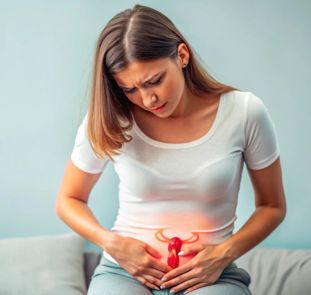
Polycystic Ovarian Disease (PCOD) is a common condition affecting women of reproductive age, driven by a hormonal imbalance. In PCOD, the ovaries may enlarge and contain multiple small cysts (immature follicles). While the exact cause remains unclear, a combination of genetic and environmental factors, alongside insulin resistance, plays a significant role.
Because the symptoms can be vague or overlap with other common issues, PCOD often goes undiagnosed for years. Understanding the signs is the first step toward managing the condition and reclaiming your health.
The signs of PCOD can vary widely from person to person. Some may experience only mild disruptions, while others face a combination of physical and internal challenges.
Irregular Periods: This is often the most common and noticeable sign. A disrupted hormonal cycle can lead to missed periods, periods that occur very close together, or cycles that last longer than 35 days.
Heavy Bleeding: Because the uterine lining builds up for a longer period before shedding, the periods you do get can be significantly heavier than normal.
Unexpected Weight Gain: Many women with PCOD experience weight gain, particularly around the abdomen. This is closely linked to insulin resistance, making it difficult to lose weight despite a healthy diet and exercise.
Acne and Oily Skin: Higher-than-normal levels of androgens (male hormones) can cause the skin to produce excess oil, leading to stubborn breakouts on the face, chest, and upper back.
Excess Facial and Body Hair (Hirsutism): Elevated androgens can also trigger unwanted, coarse hair growth on the face, chin, neck, chest, or stomach.
Hair Thinning or Loss: While hair may grow in unwanted places, PCOD can also cause the hair on the scalp to thin, similar to male-pattern baldness.
Skin Darkening (Acanthosis Nigricans): Dark, velvety patches of skin can develop in body creases, such as the neck, groin, or under the breasts, which is a key indicator of insulin resistance.
Experiencing one or two of these symptoms does not automatically mean you have PCOD, but it is a signal that your body is requesting attention. PCOD is a highly manageable condition. Through a combination of lifestyle modifications, dietary adjustments, and sometimes medication, you can regulate your hormones and alleviate these symptoms.
If you recognize these signs in your own life, the best course of action is to schedule an appointment with a gynecologist or endocrinologist for a proper evaluation and a tailored care plan.